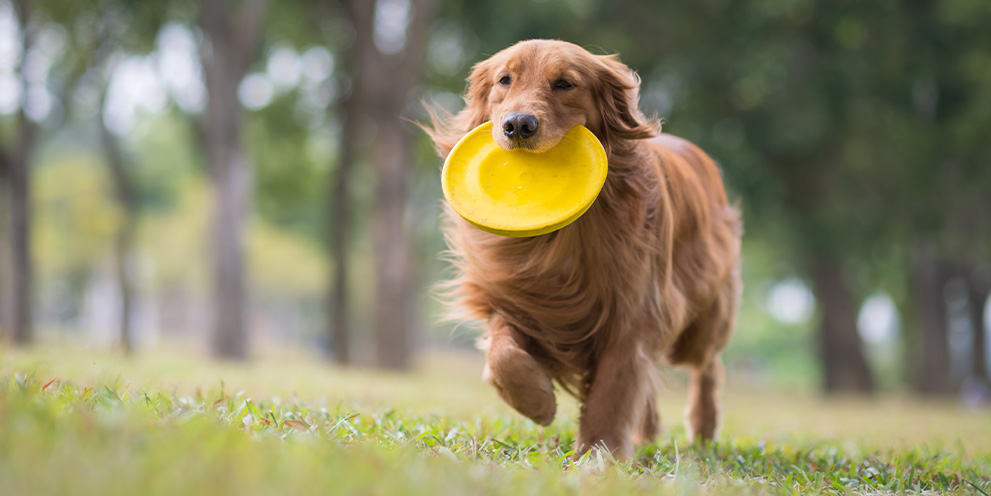
Dog breeds: tips and advice
There are hundreds of dog breeds out there, each with their own set of characteristics and needs. Take a look at our dog breed guides to find useful tips and advice for the breed you own.
Find guides on our most popular breeds
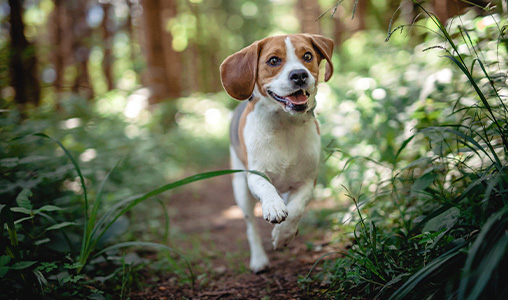
Beagle
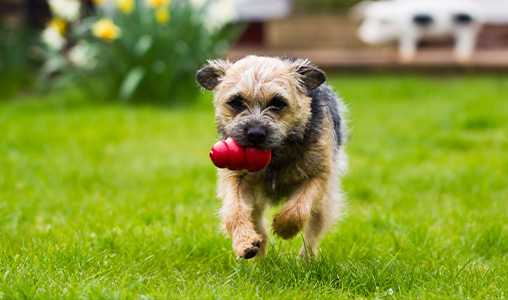
Border Terrier
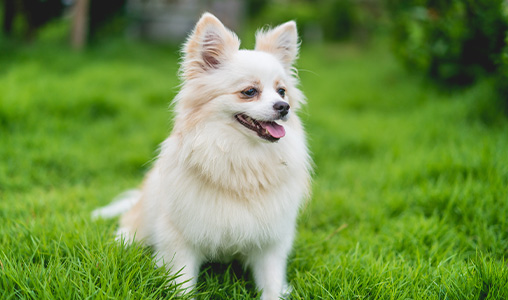
Chihuahua
The average cost of pet insurance
The cost of your pet insurance renewal can increase as your dog gets older. Other factors that can also increase your premium (cost of insurance) include breed, claims history and location (location can affect the cost of local vet treatment, which can affect your premium).
At MORE THAN, we add a mandatory co-insurance amount to your renewal after your pet's ninth birthday.
It's important to bear in mind that your premiums will likely increase as your pet gets older. So, it's worth reviewing your pet insurance budget each year.
How your premiums can change
As dogs get older, they’re more prone to common health issues like:
- cancer
- arthritis
- dental issues
- heart issues
- dementia
- eye issues
It’s important to note that, even without any pre-existing conditions, insurance premiums for older dogs can be higher as they’re generally more at risk of running into health issues. The more at risk your dog is of needing veterinary care, the higher your premium may be.
Other factors like the dog's age, breed, inflation in general, a rise in vet costs and your claims history, can all affect your premium.
Did you know?


Insuring your dog
Insuring your four-legged friend can give you added peace of mind should your pet fall ill or injure themselves. The Royal Veterinary College recommends getting pet insurance to help with the cost of vet fees.
Tips and advice if you're thinking of becoming a dog owner
Our in-house vet, Luke Mangion, shares his advice for anyone thinking about getting a dog.

Experts rate our Premier Pet Insurance
Our Premier Pet Insurance has achieved a 5 Star Defaqto Rating.
Types of dog breeds
Over time, dogs have been bred for different jobs and purposes around the world. Today, dogs are mainly bred to be our pet and furry companion. There are several main groups of dog breeds.
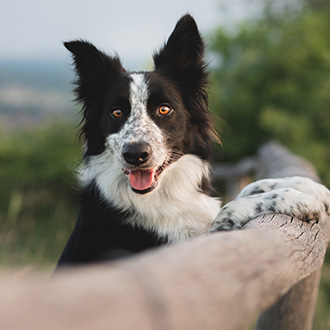
Pastoral dogs are sometimes known as herding dogs. They were originally bred for herding and moving livestock such as sheep and cows.
Characteristics:
- Agility
- Speed
- Loyalty
Pastoral dog breeds:
- Border Collie
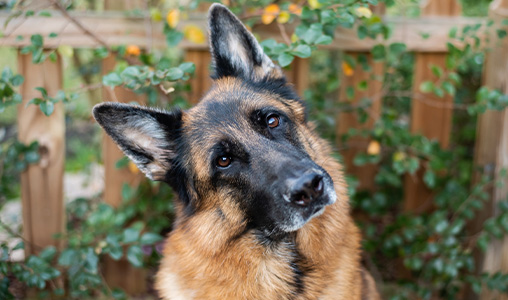
- German Shepherd
- Belgian Malinois
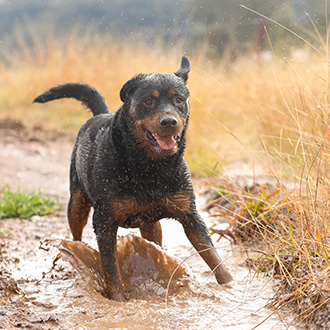
Working dog breeds are usually larger in size. These breeds are used to being given jobs to do.
Characteristics:
- Protective
- Intelligent
- Determined
Working dog breeds:
- Rottweiler
- Boxer
- Dobermann
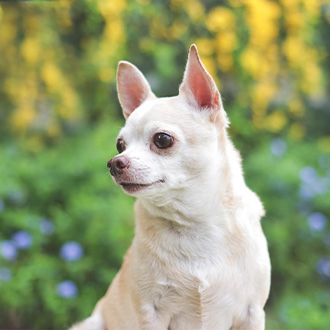
Toy dog breeds are often quite small, hence their name, but can be defensive towards new people and other dogs.
Characteristics:
- Lively
- Courageous
- Affectionate
Toy dog breeds:
- Yorkshire Terrier
- Chihuahua
- Pomeranian
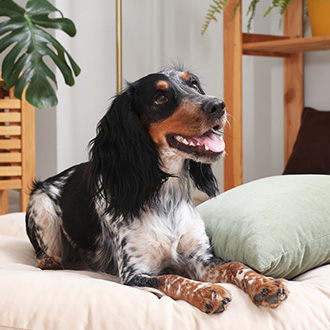
Gundogs are often slightly larger dog breeds that make great companions for families. They love to be stimulated and entertained.
Characteristics:
- Affectionate
- Curious
- Feisty
Gundog breeds:
- Labrador Retriever
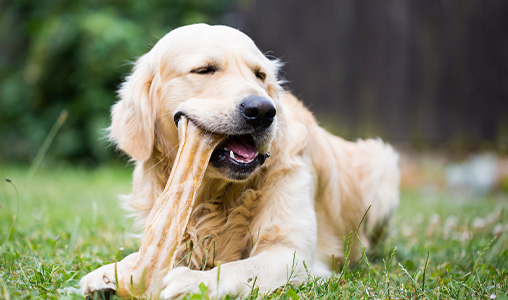
- Golden Retriever
- Cocker Spaniel
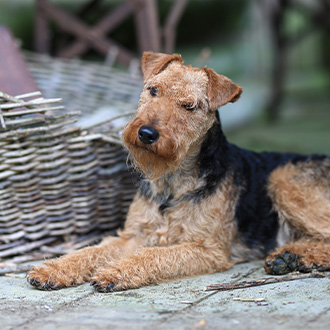
Terriers are lively dogs that have historically been bred to hunt small animals underground. They often love digging and chasing things.
Characteristics:
- Affectionate
- Curious
- Feisty
Terrier breeds:
- Fox Terrier
- West Highland Terrier
- Scottish Terrier
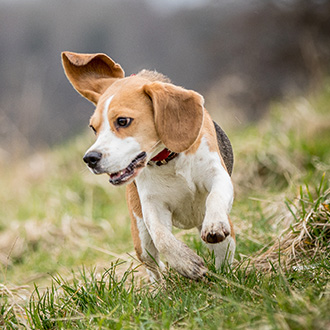
Hounds come in all shapes and sizes and were originally bred to hunt in packs. Like Terriers, this makes Hounds eager to chase things.
Characteristics:
- Loyal
- Affectionate
- Stubborn
Hound breeds:
- Basset Hound
- Bloodhound
- Beagle
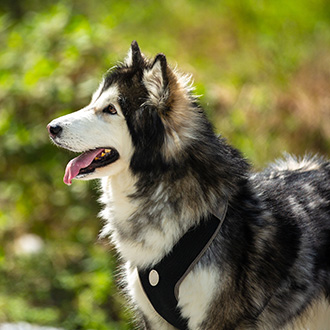
Utility breeds were historically bred for specific purposes, such as sheep dogs or racing dogs. So, it’s hard to differentiate them by a universal set of traits, although they tend to be larger in size.
Characteristics:
- Adaptable
- Loyal
- Courageous
Utility dog breeds:
- Bulldog
- Dalmatian
- Alaskan Malamute