Pet vaccinations
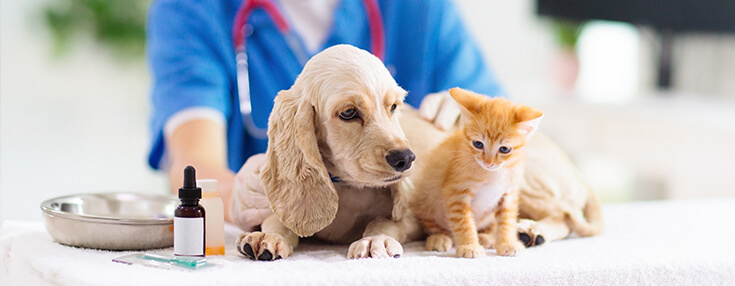
Vaccinating your pet protects them against lots of different nasty illnesses. But what vaccinations does your pet need, and when do they need them?
Do all pets need vaccinations?
Caged pets like hamsters and gerbils usually don't need vaccinations, but any pet that goes outside does. That includes:
- cats
- dogs
- rabbits
What vaccinations does my dog need?
Puppies usually get two sets of vaccines two to four weeks apart. Sometimes the second vaccine is broken into two parts.
Dogs need to be vaccinated against:
- Distemper: this is a common issue in areas with unvaccinated dogs and can be fatal.
- Hepatitis: hepatitis affects dogs' livers and can make them severely unwell.
- Parvovirus: causes dogs to vomit and have diarrhoea. It can be deadly if it's left untreated, especially for puppies.
- Leptospira: this can lead to kidney and liver damage. It passes from dogs to humans too, so vaccinating your dog can also protect you.
All of these illnesses can be fatal, which is why it's so important to vaccinate your puppy as soon as possible.
If you don't vaccinate your dog or keep them up to date with their vaccinations, it could affect your pet insurance cover.
There are also two optional vaccines:
- Kennel Cough: you might need to have this if you want to put your dog into kennels or boarding. They'll need to have it at least two weeks before they go into kennels. They usually get this vaccine from 12 weeks old.
- Rabies: this is compulsory for dogs that travel abroad, but isn't usually offered otherwise.
When should I vaccinate my dog?
Your puppy's first set of vaccinations should be when they're between 8 and 10 weeks old, with the second set coming two to four weeks later.
If your puppy is older than 10 weeks at the first vaccination, they'll have their second vaccination two to four weeks later.
Your dog should also have annual booster vaccinations to keep them protected.

How long after being vaccinated can dogs go outside?
When you bring your puppy home, you might want to take them outside to see the world – but be careful.
If they haven't had their vaccinations yet, they might not be able to explore at ground level.
Until they've got their vaccinations, it's best to carry them outside. That way, you can explore your local area and socialise them while still keeping them safe. Remember to only socialise them with vaccinated dogs!
Puddles, ponds and other still bodies of water can contain harmful bacteria. Avoid them until your vet says it's safe.


When should I vaccinate my cat?
Your kitten's first set of vaccinations should be at around 9 weeks old, with their boosters coming at around the 12-week mark.
Your cat should also have annual booster vaccinations to keep them protected.
Do indoor cats need vaccinations?
Indoor cats are less likely to catch the illnesses vaccines protect against.
But they can still pick up things like flu and enteritis, so think about vaccinating them anyway to be on the safe side.
Have a chat with your vet to see what kind of vaccinations they'd recommend.

How much do pet vaccinations cost?
The exact cost of dog or cat vaccinations will change based on the vet you go to. But core vaccinations usually cost between £70 and £110.
Give your vet a call or check their website to see their specific prices.
Your vets might offer a healthcare plan where vaccines are included for your pet's lifetime, for a monthly fee.
These healthcare plans are usually good value for money versus buying vaccines individually every year. They also often include other discounts and benefits.
Most pet insurance policies, including ours, don't cover routine treatments like vaccinations. So it's worth budgeting for them ahead of time.
Also, make sure you check your policy documents to see exactly what you are and aren't covered for.
Is my pet already vaccinated?
Some breeders or rehoming centres give kittens and puppies their first set of vaccinations before they go to their new homes.
Check with them when you collect your new pet to see what vaccinations they've already had and which you need to book in.
If you still have questions about vaccinations for your pet, it's always best to chat to your vet. They can help point you in the right direction and answer any questions you have.